Anti Racism in the Midlands
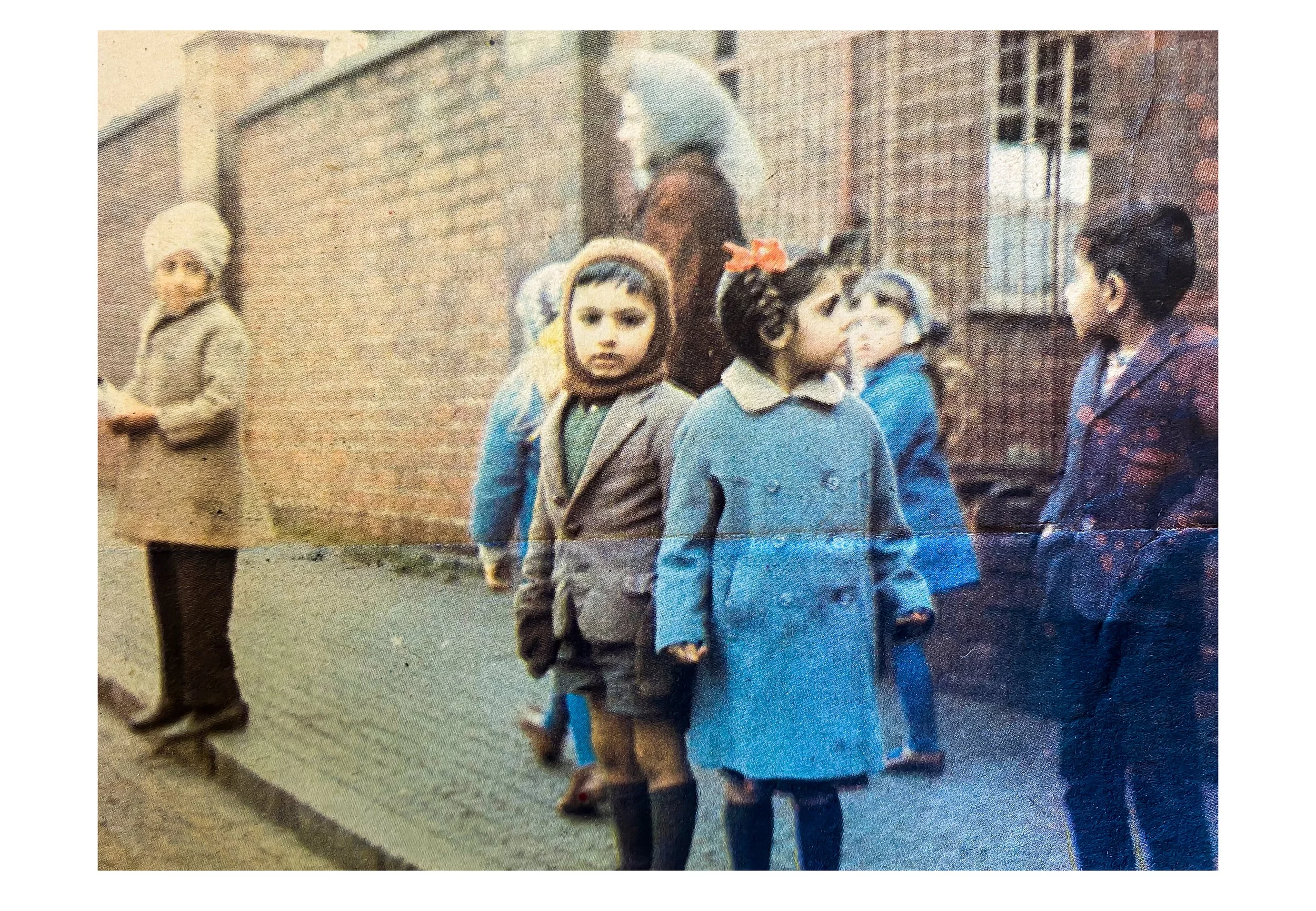
About the Project
This project was funded by the Heritage Lottery Fund. It set out to tell the shared history of anti-racism in the Midlands—not as the story of one group or moment, but as a collective journey shaped by people of many races, cultures, and communities working together. In today’s world, where there is increasing division and a focus on individual identities, we wanted to shine a light on the times when people stood together across differences to fight racism and build fairer, more inclusive societies.
At the heart of this project is the belief that the past matters to the present—and that younger generations have an important role to play in carrying this history forward.
We collected early oral histories and began exploring archives. These conversations revealed rich, powerful stories that had rarely been told publicly. While the world these elders grew up in—whether in the former British colonies or in postwar Britain—is very different from today, their experiences still speak powerfully to the hopes, challenges, and values many young people hold today. That’s why we made intergenerational collaboration a key aim of the project.
We invited young people to work directly with these oral histories and archives, helping them to explore and interpret this history in creative ways.
The project was built around seven key goals, including:
Promoting inclusion and reaching new, diverse audiences
Creating anti-racism learning resources for schools and communities
Celebrating untold histories that have often been left out of mainstream heritage work
Acknowledging the vital support of the National Lottery Heritage Fund in making this possible
Overall, this project is about honouring those who stood up against racism, learning from their courage and creativity, and ensuring their legacy continues to inspire future generations.
Nine stories
-
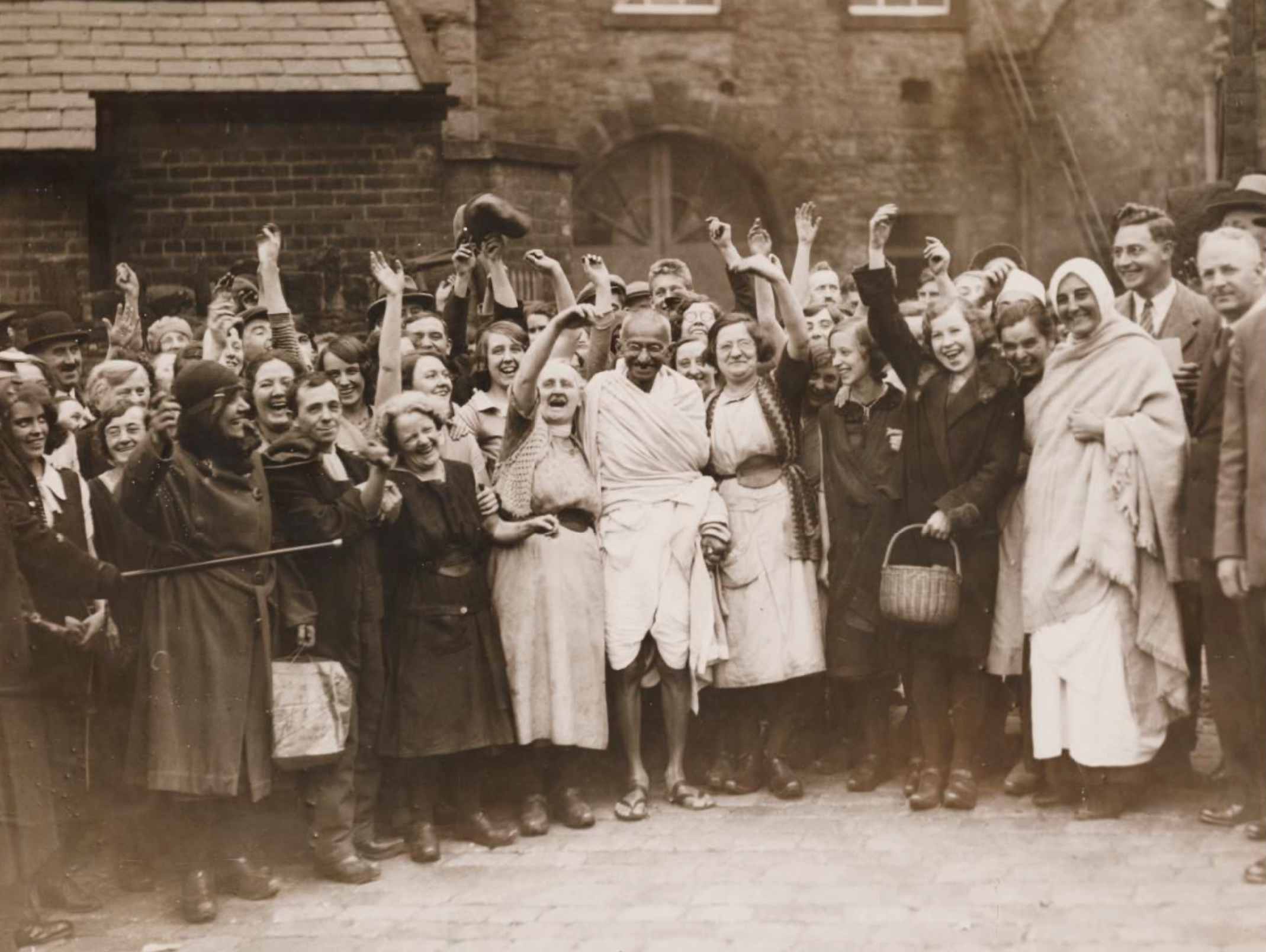
Gandhi Builds Solidarity in Nottingham, Birmingham, and a Global Legacy of Resistance
-
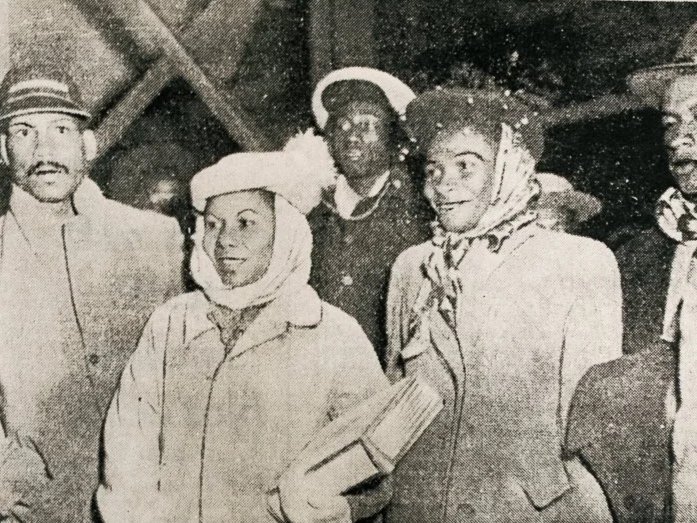
When the Dream Fractured: Britain’s 1958 Race Riots and the Limits of Postwar Community Cohesion
-
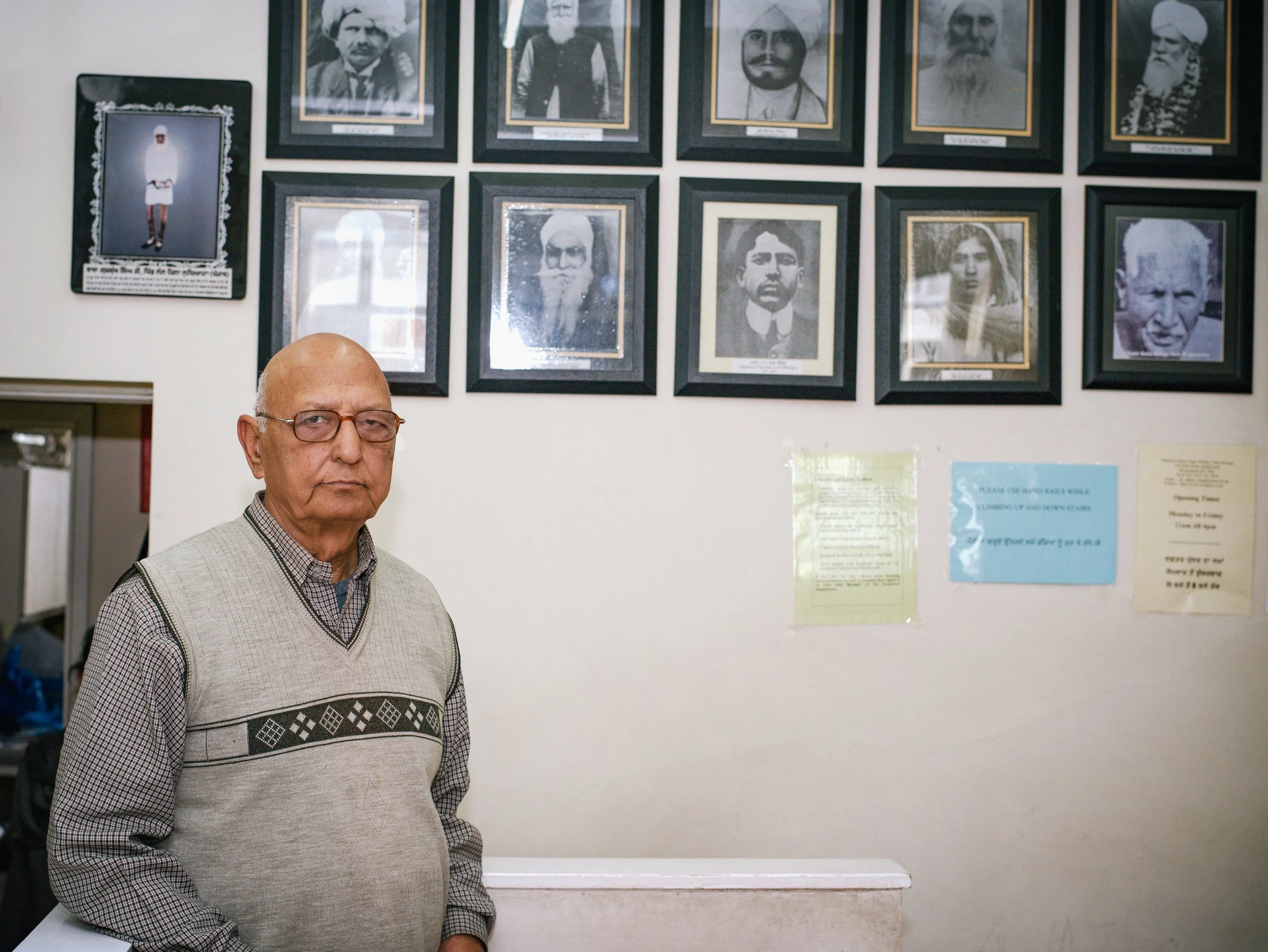
How a Sit-In in a British Pub Helped Crack the Colour Bar: Inside the IWA’s Radical Fight Against Racism
-
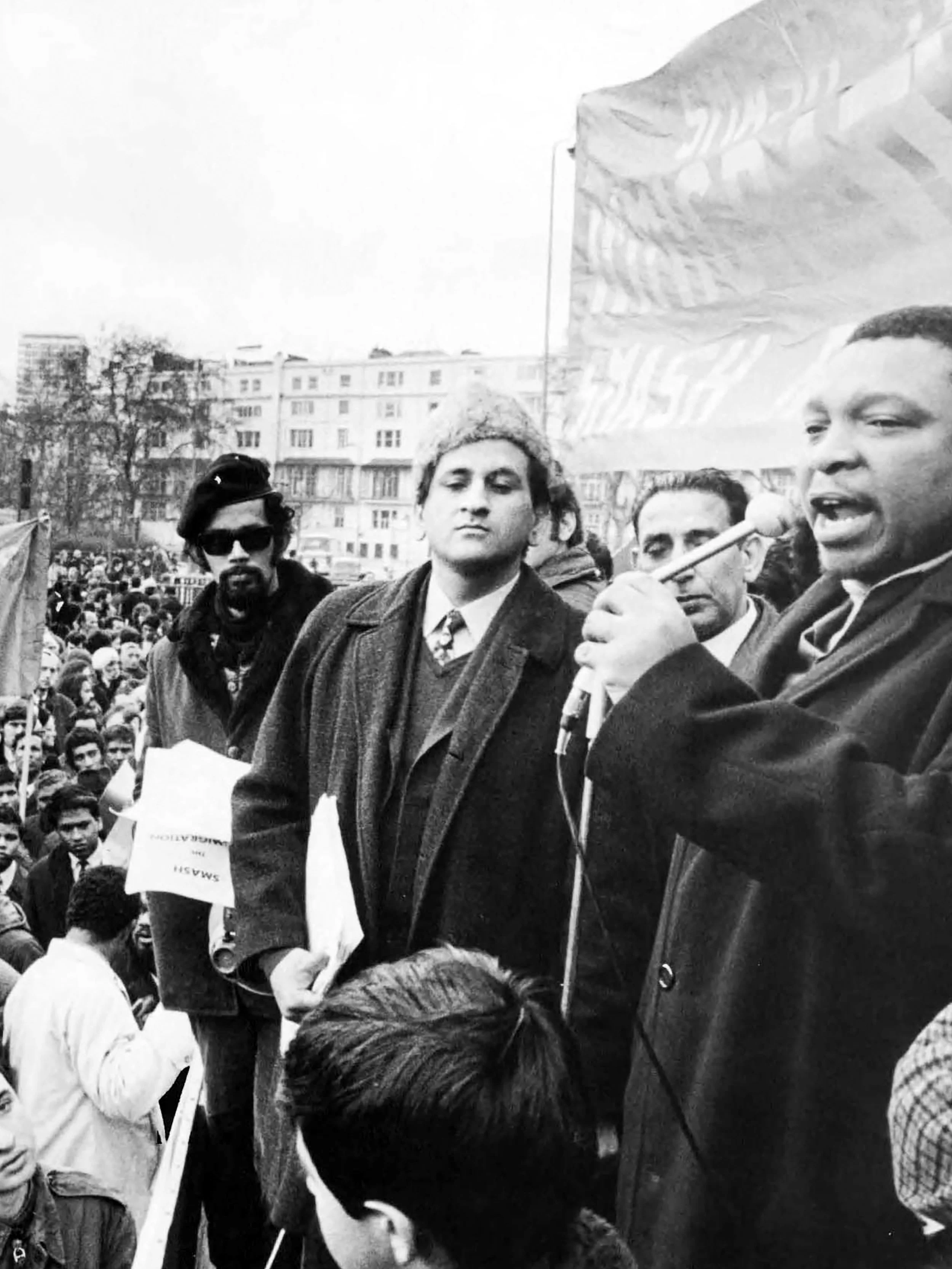
“Rivers of Blood,” Resistance in Birmingham, and the Birth of the Black People’s Alliance
-
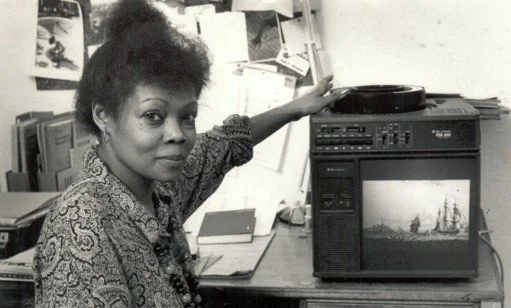
When Music Met Resistance: Ravi Shankar, WELD, and the Spirit of Handsworth
-
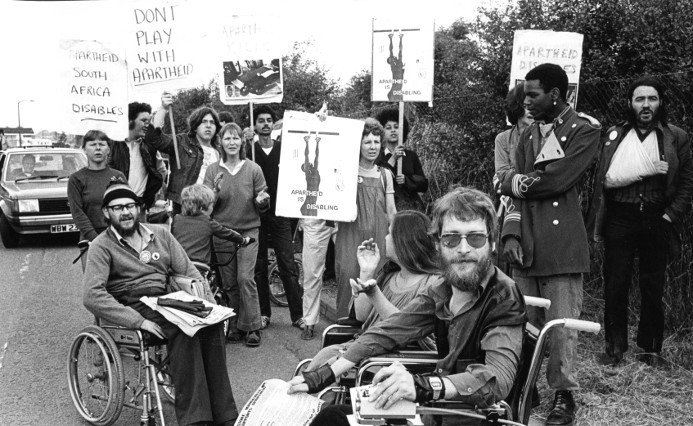
When Rugby Was War: How Anti-Apartheid Protesters Fought South Africa’s Sporting Pride — and Won
-
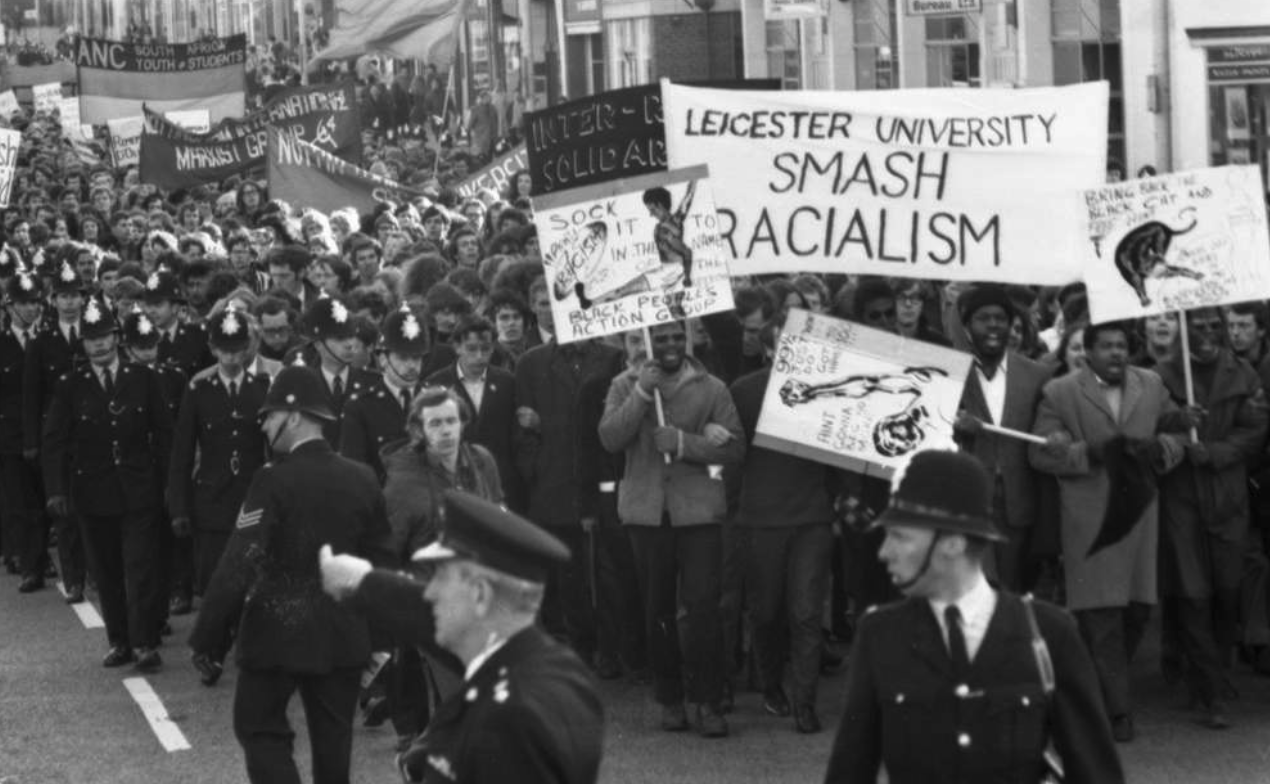
“We Learned to Fight Back”: The 1974 Imperial Typewriters Strike and Voices of Defiance
-
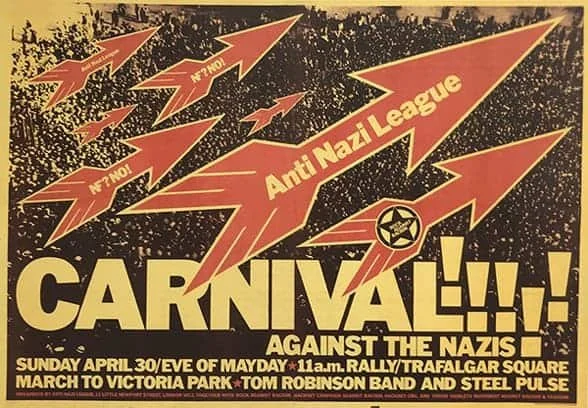
SKAN and the Sound of Youth: When Schoolkids Took On the Nazis
-
Nottingham Melas brings communites together
Find more about the people who tackled racism
-
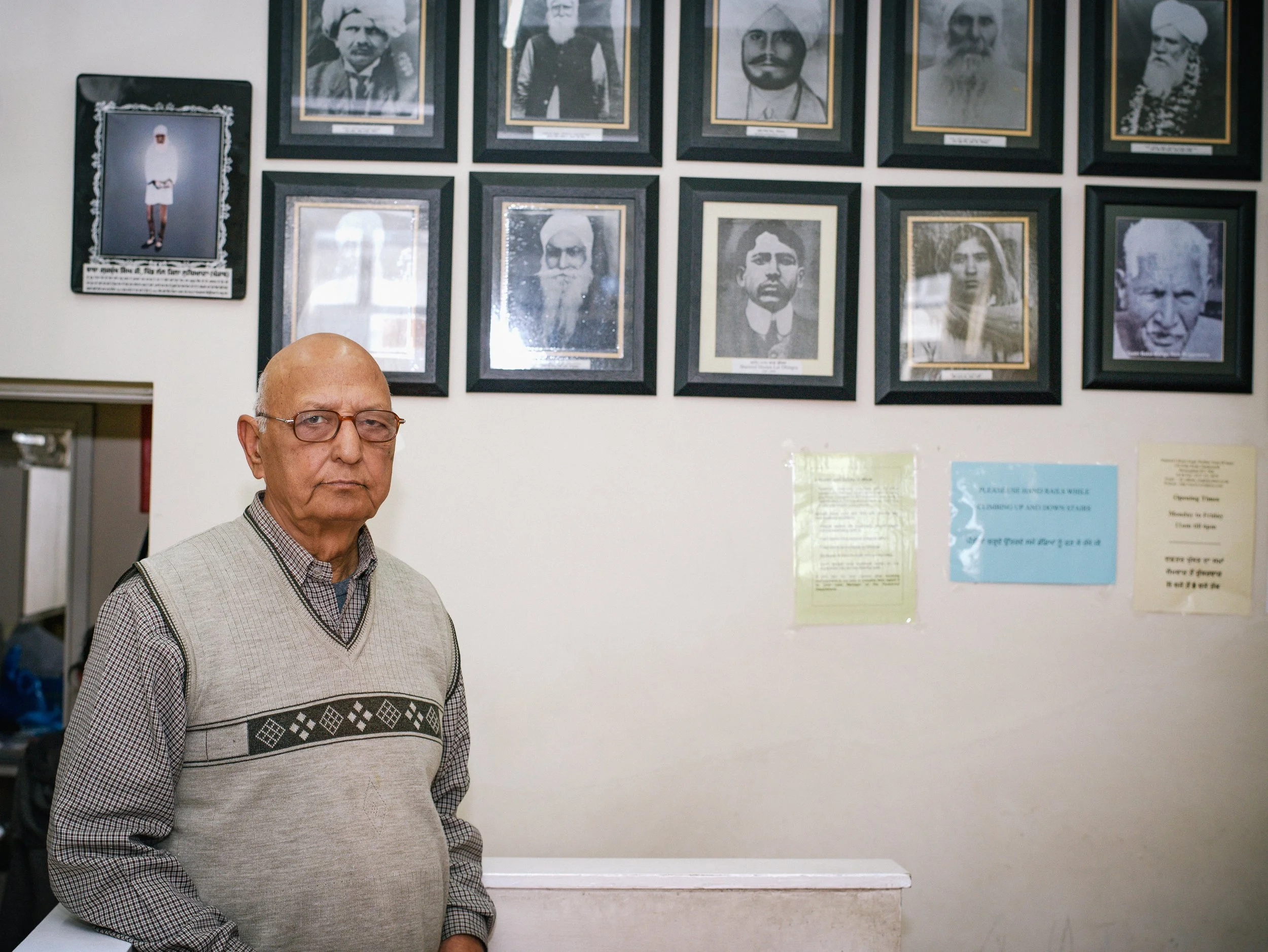
Avtar Jouhl
Challenging colour bars and building unity
-
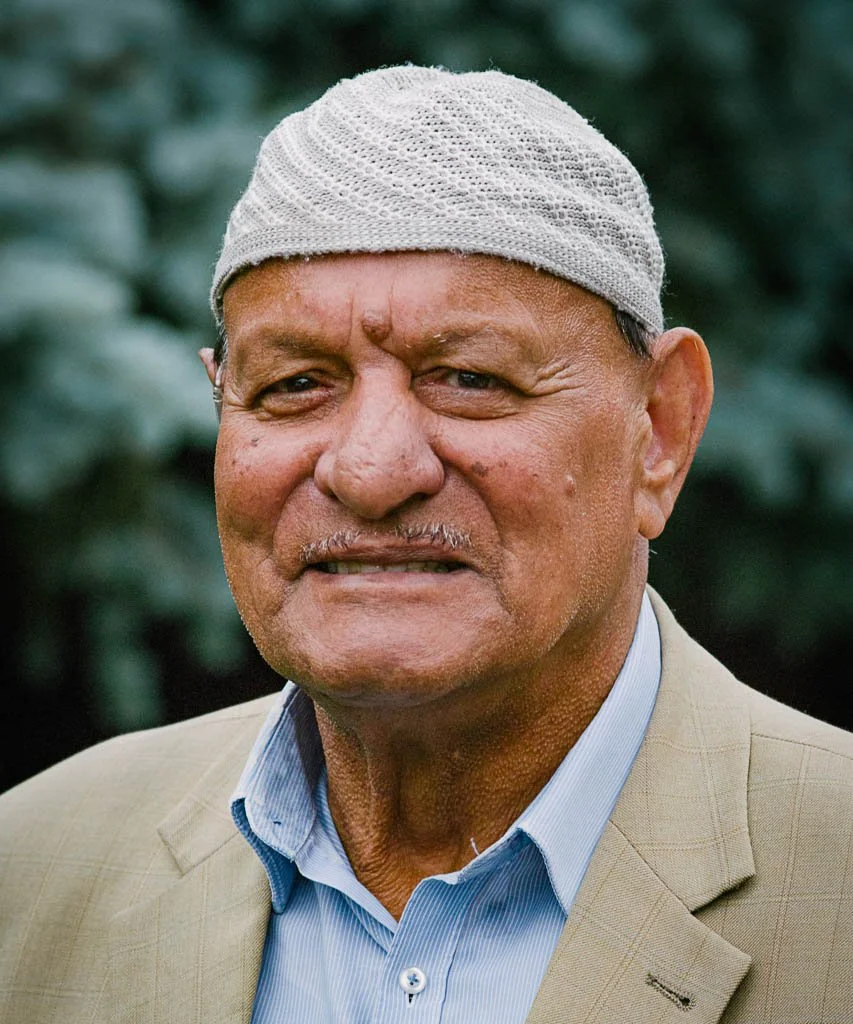
Boston Din
The man who started the 1958 race riots
-
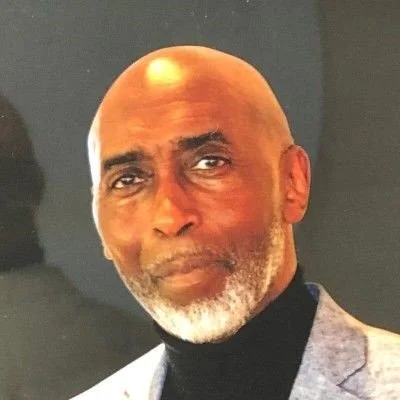
Gilroy Brown
An early transformative and decolonial teacher
-
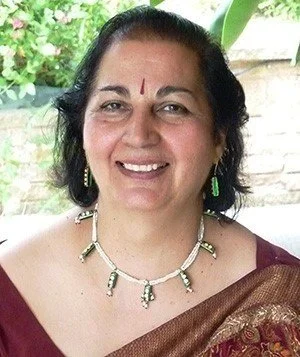
Jai Verma
Making change through poetry and culture
-
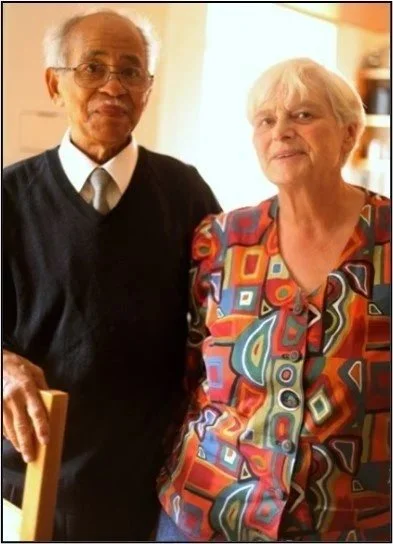
Jill Westby
The young student who challenged colour bars in the 60s
-
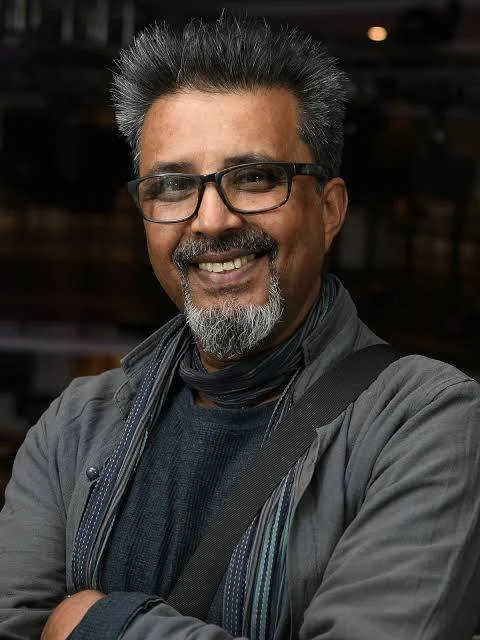
Mukhtar Darr
Anti racism through the arts
-
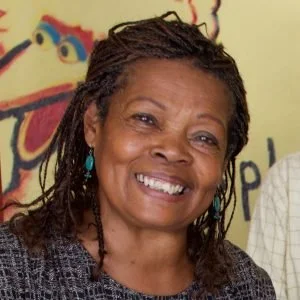
Merrice Crookes
Anti racist educator
-
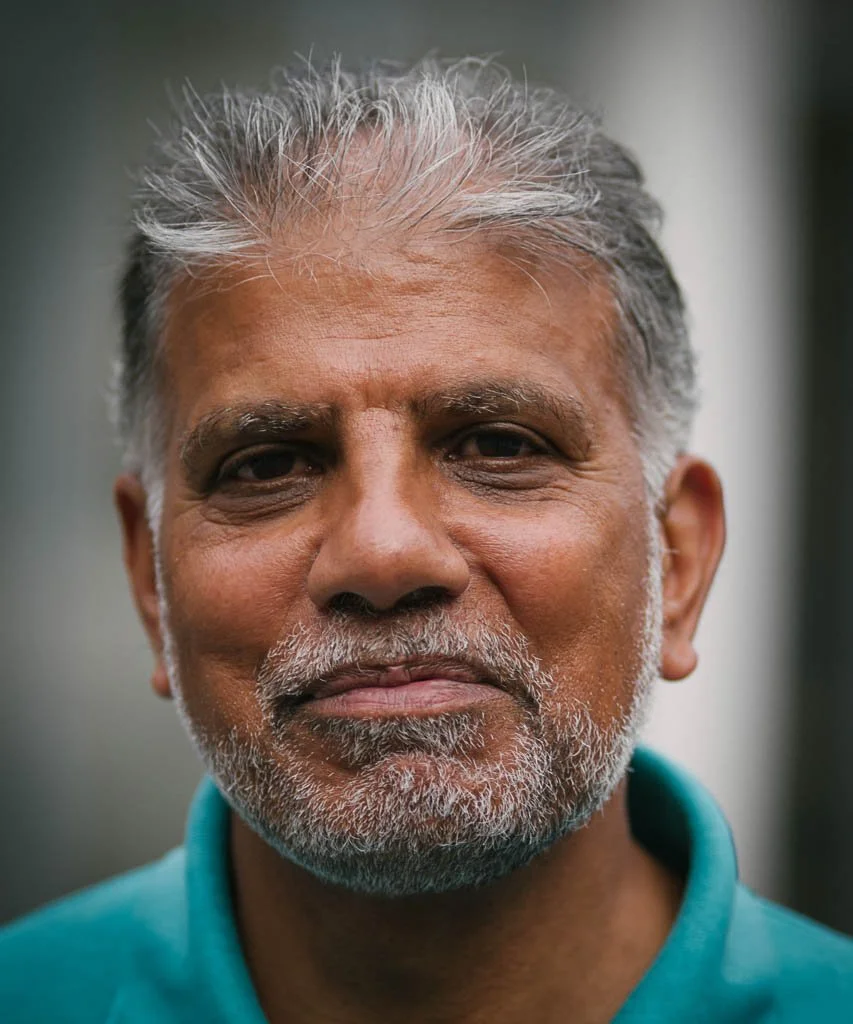
Parbinder Singh
The first mela bringing people together to tackle social justice
-
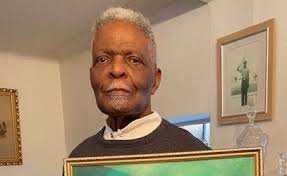
Pastor Weaver
Bringing together faith, art and politics
-
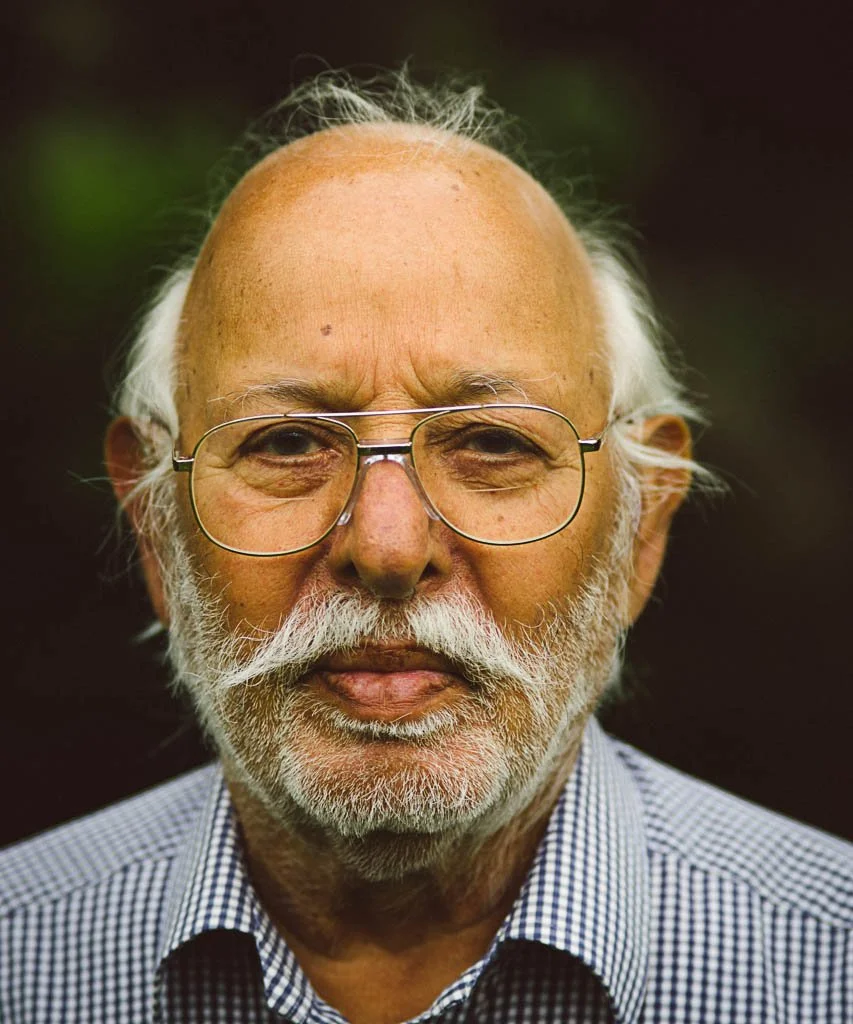
Puskar Lail
Indian civil right campaigner
-
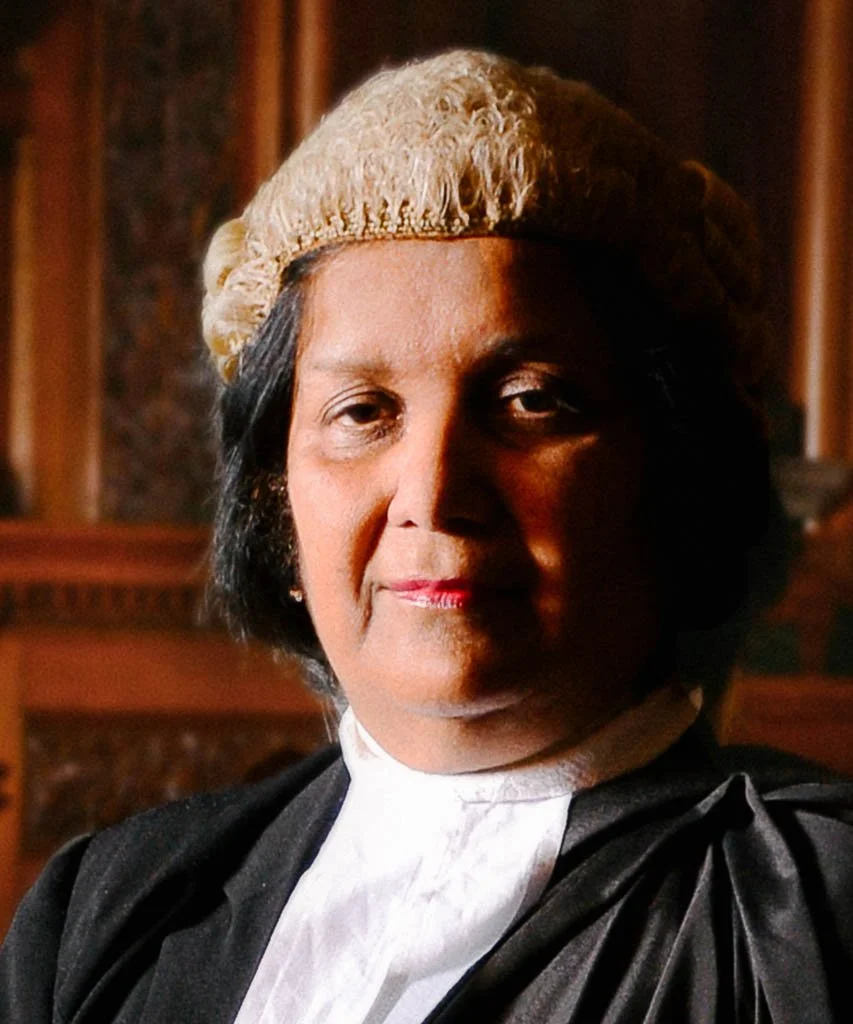
Usha Sood
Lawyer supporting communities
-
Roger Tanner
Educator and community activism
-
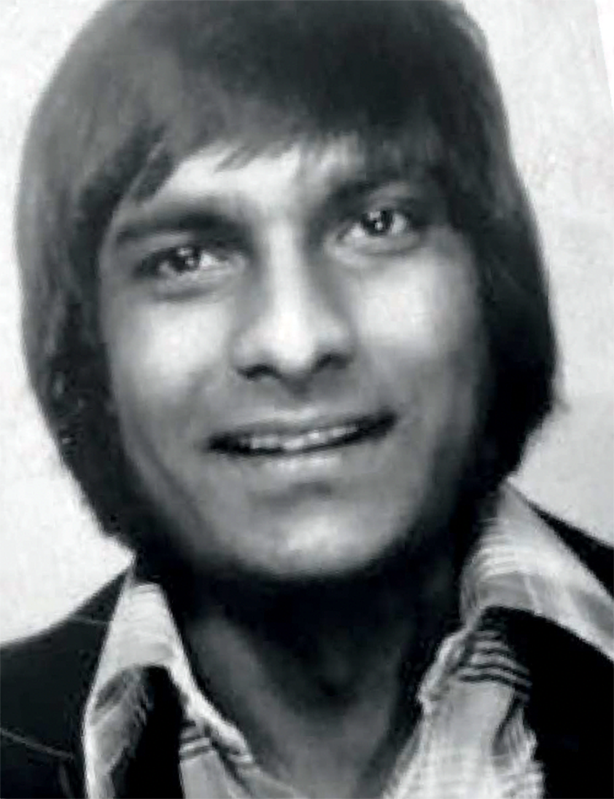
Kanu Patel
Leading member of Kwacha
-
Paul Pryce
Student and leader at ACFF centre
-

Derrick Bishton
Photographer and Publisher
-
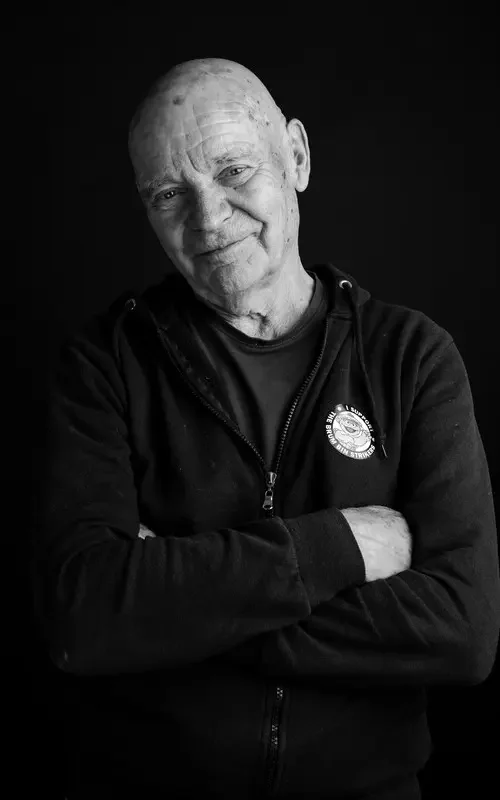
Dave Rogers
Using art and folk music with activism
-
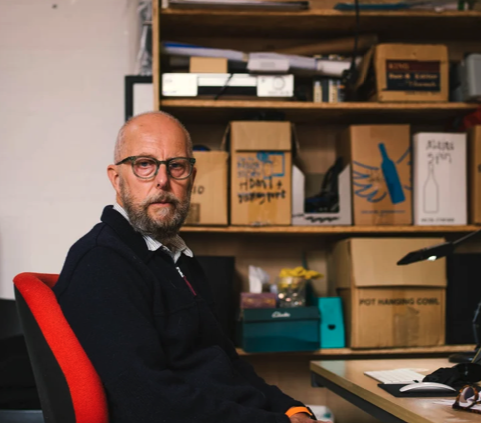
Roger Suckling
Community arts activist in Nottingham
-
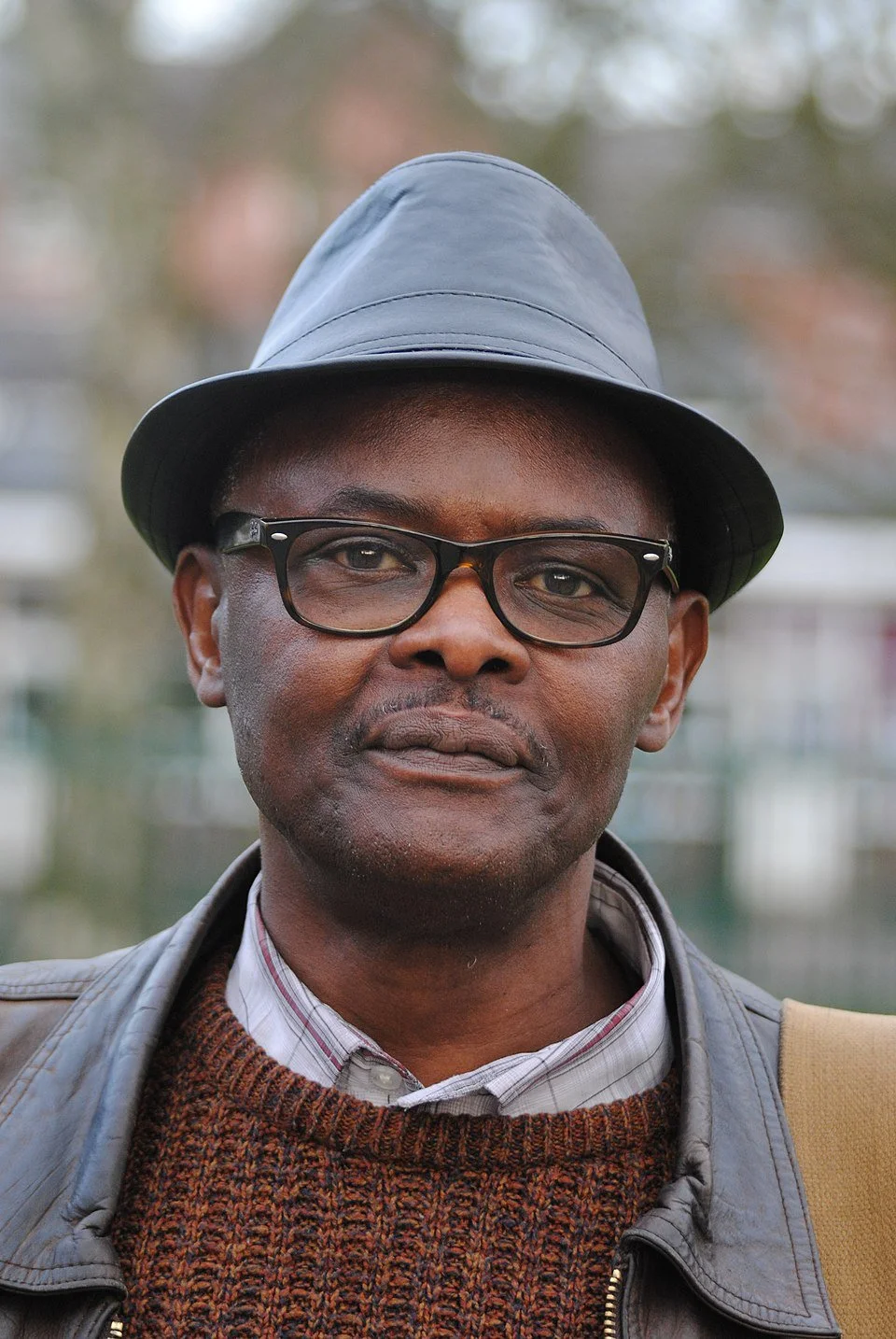
Vanley Burke
Photographer
-
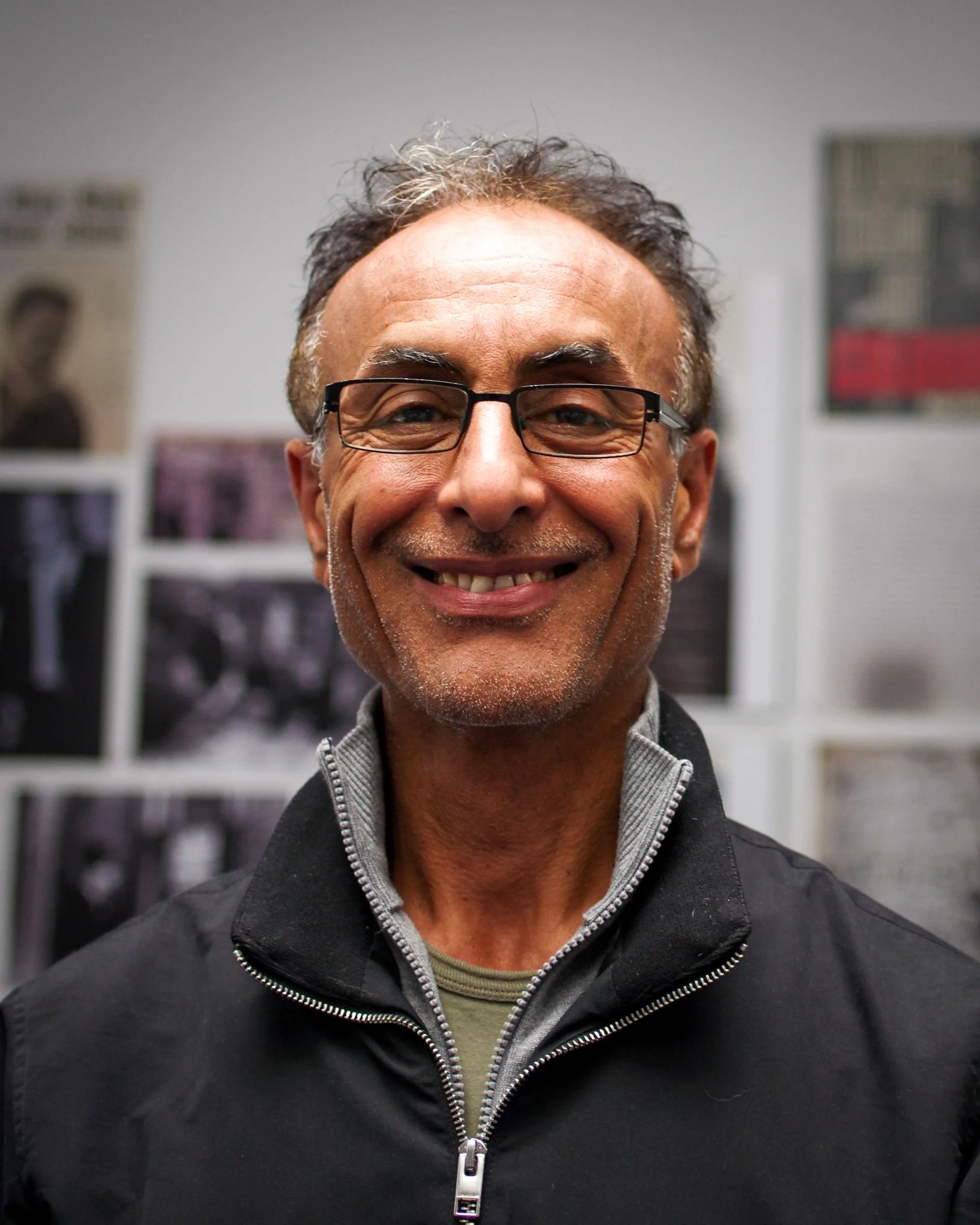
Rajinder Dulai
Member of Indian Workers Association
-
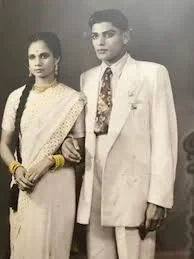
Sudarshan Mohindra
Leading light in aAsian arts and education in Nottingham
About the work
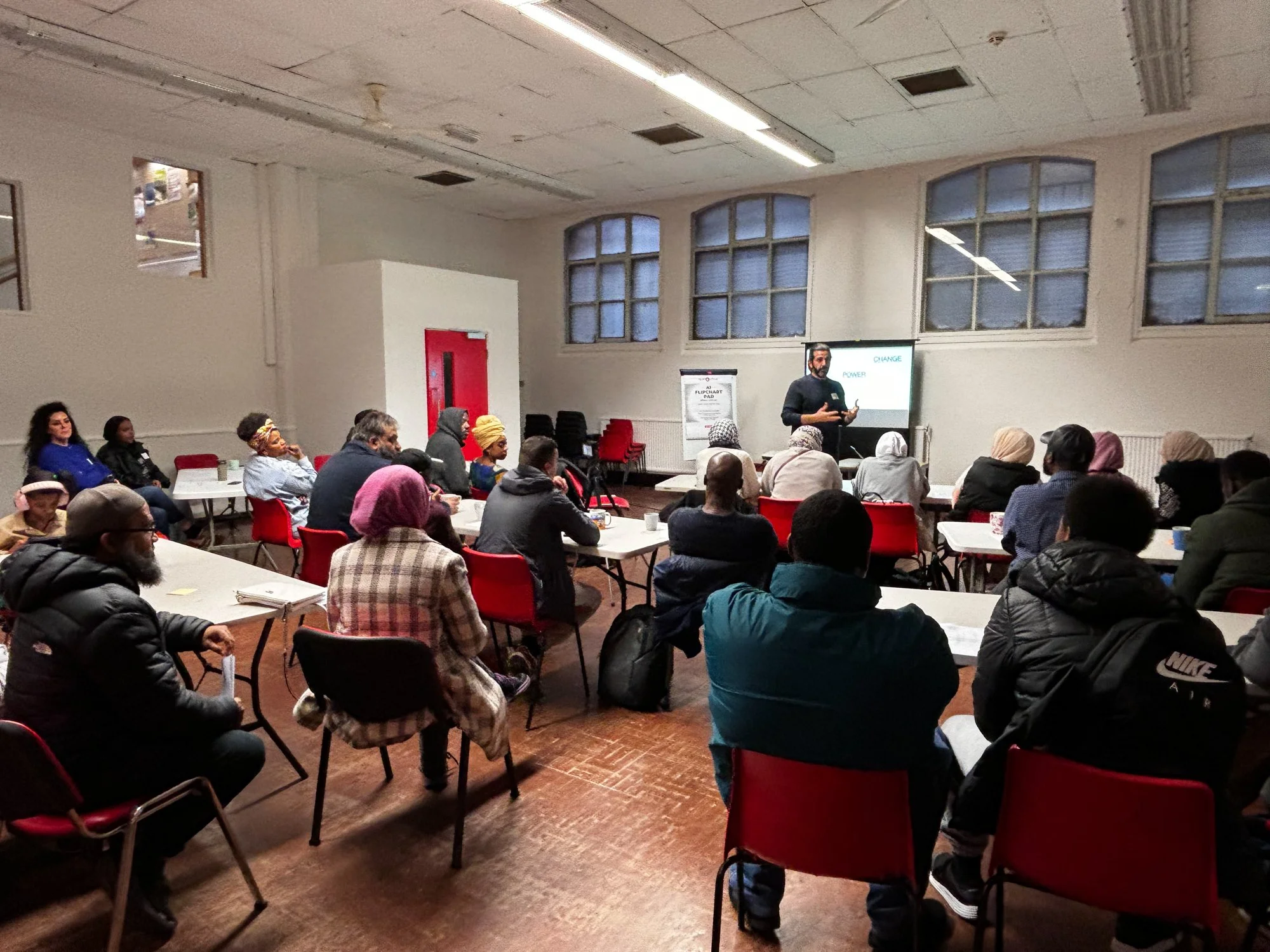
We worked with a group of 15 young people in a structured workshop programme. These sessions introduced them to:
creative and artistic skills
the history of anti‑racism in the UK
the migration experiences of Black and Asian communities in the Midlands
At the same time, our community partners helped us connect with families whose stories enriched the oral history part of the project. This mix of youth and elders lies at the heart of our intergenerational learning model.
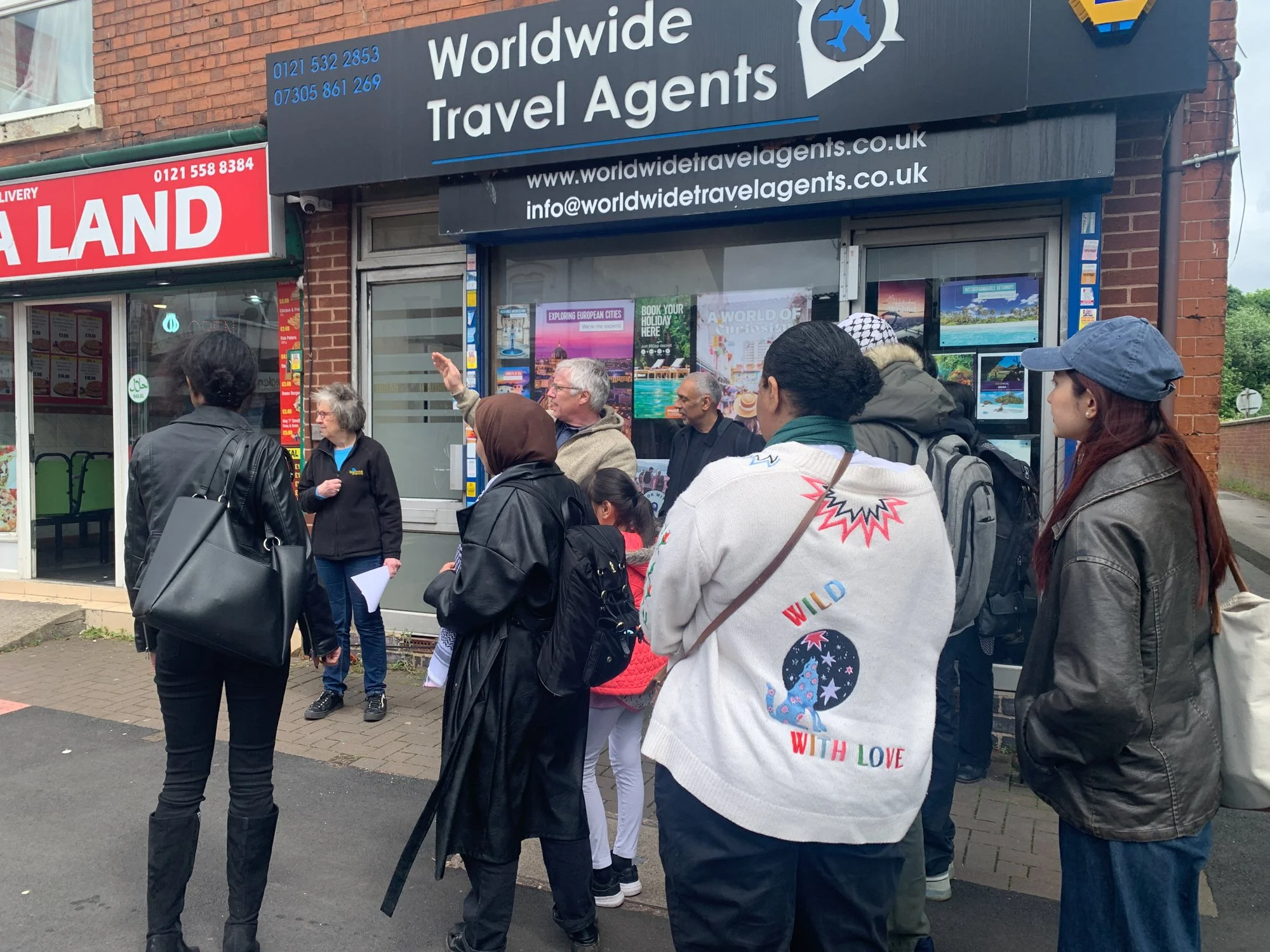
Uncovering Shared Struggles
In our workshops, themes emerged showing how anti‑racist efforts are deeply connected across time in the Midlands:
the anti–colour bar campaigns of the 1960s
the creation of supplementary schools in the 1970s
the Nottingham Mela in the 1980s
Our elders played important roles across all these struggles, demonstrating a long tradition of working toward a more inclusive and cosmopolitan region.
Creating the Exhibitions
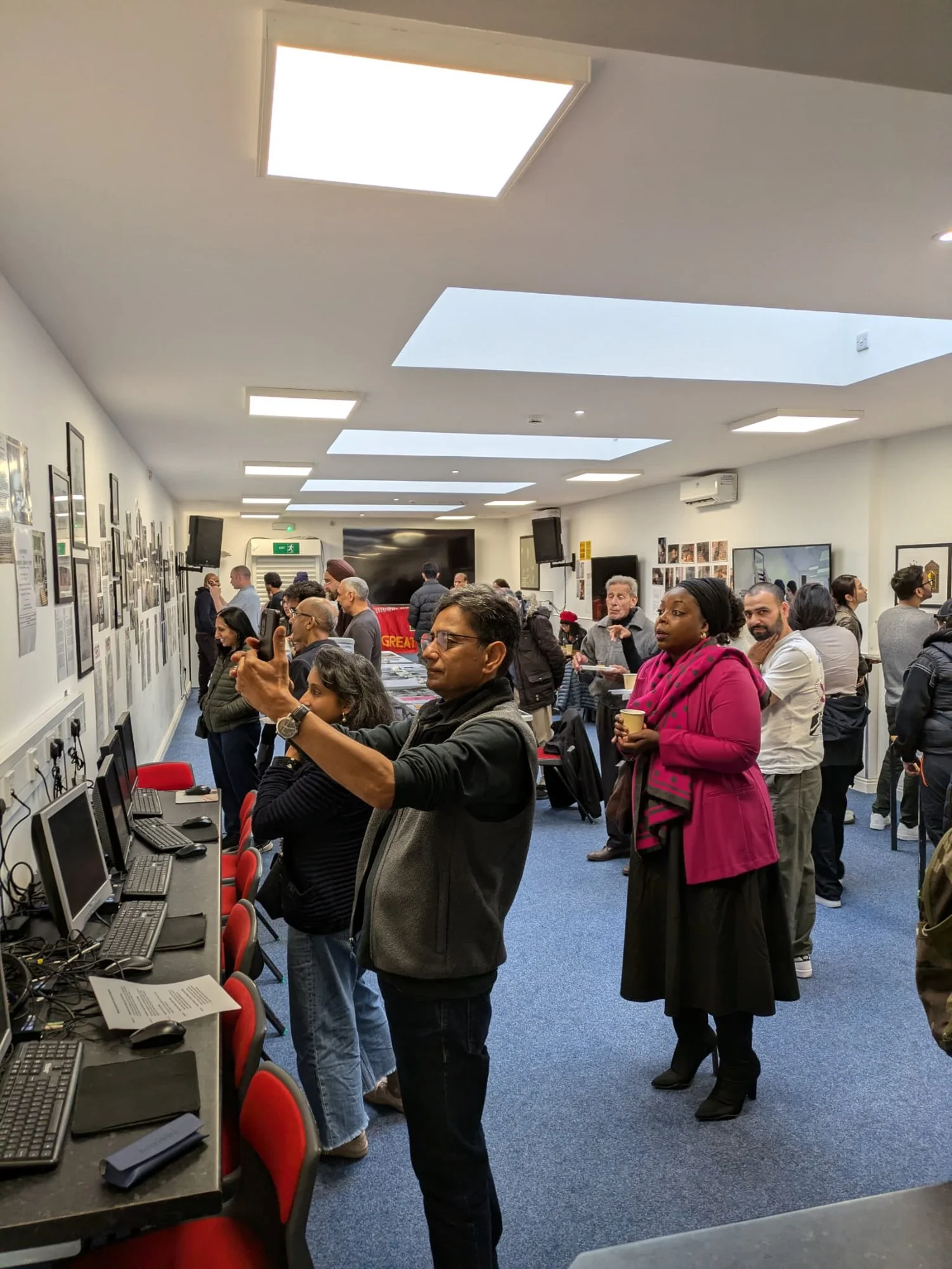
Because of scheduling changes, we couldn’t use our original venue (Surface Gallery). After consulting with community partners, we secured two alternative locations:
The Himmah Hub, Hyson Green, Nottingham
The IWA Centre, Handsworth, Birmingham
Although smaller, these venues had strong local heritage audiences—and that helped spark meaningful conversations around the exhibition themes.
Over ten weeks, we developed the exhibition together. It included:
artworks made by the young participants
archival photographs
artefacts and ephemera tied to our three anti‑racism stories
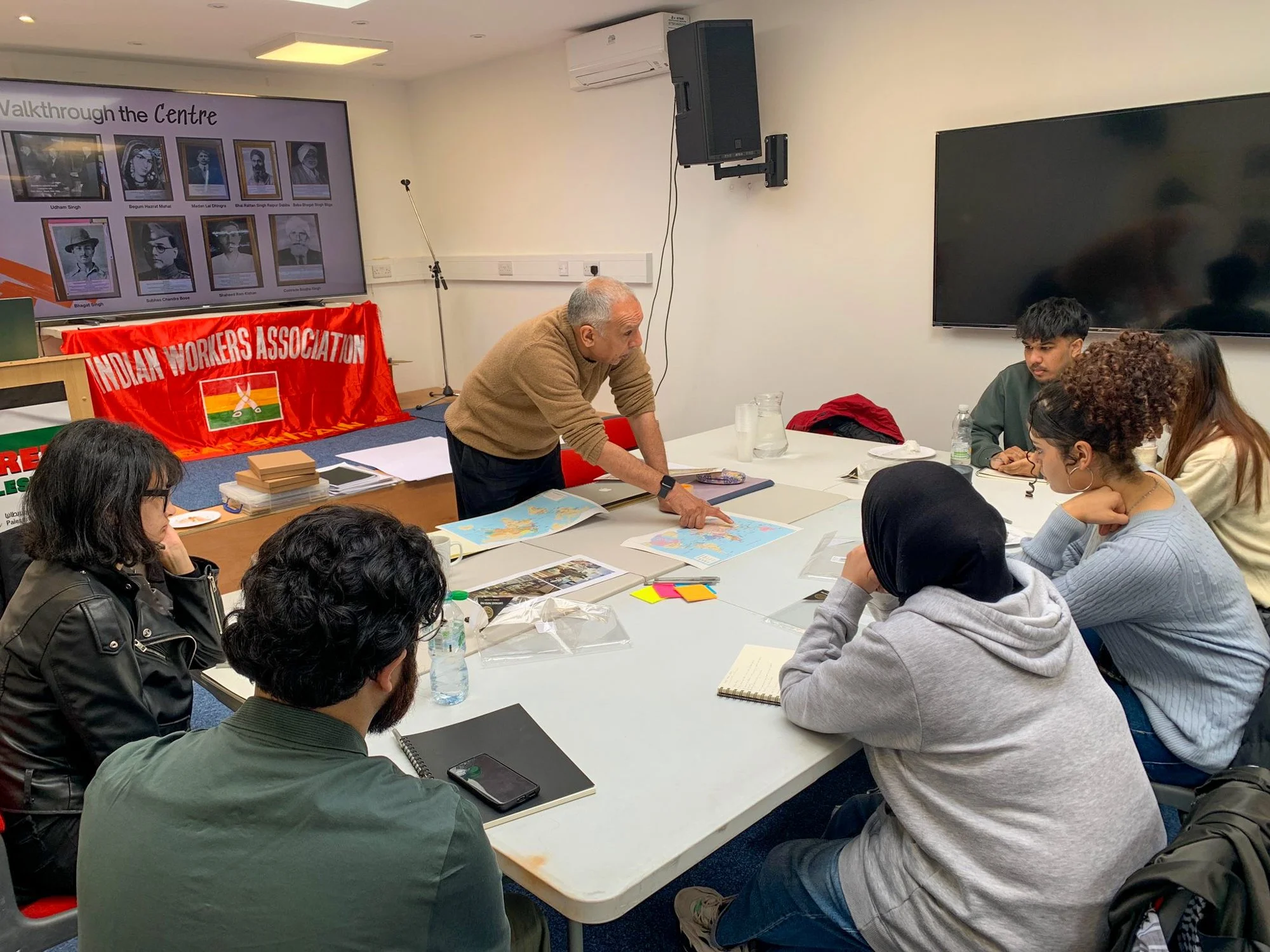
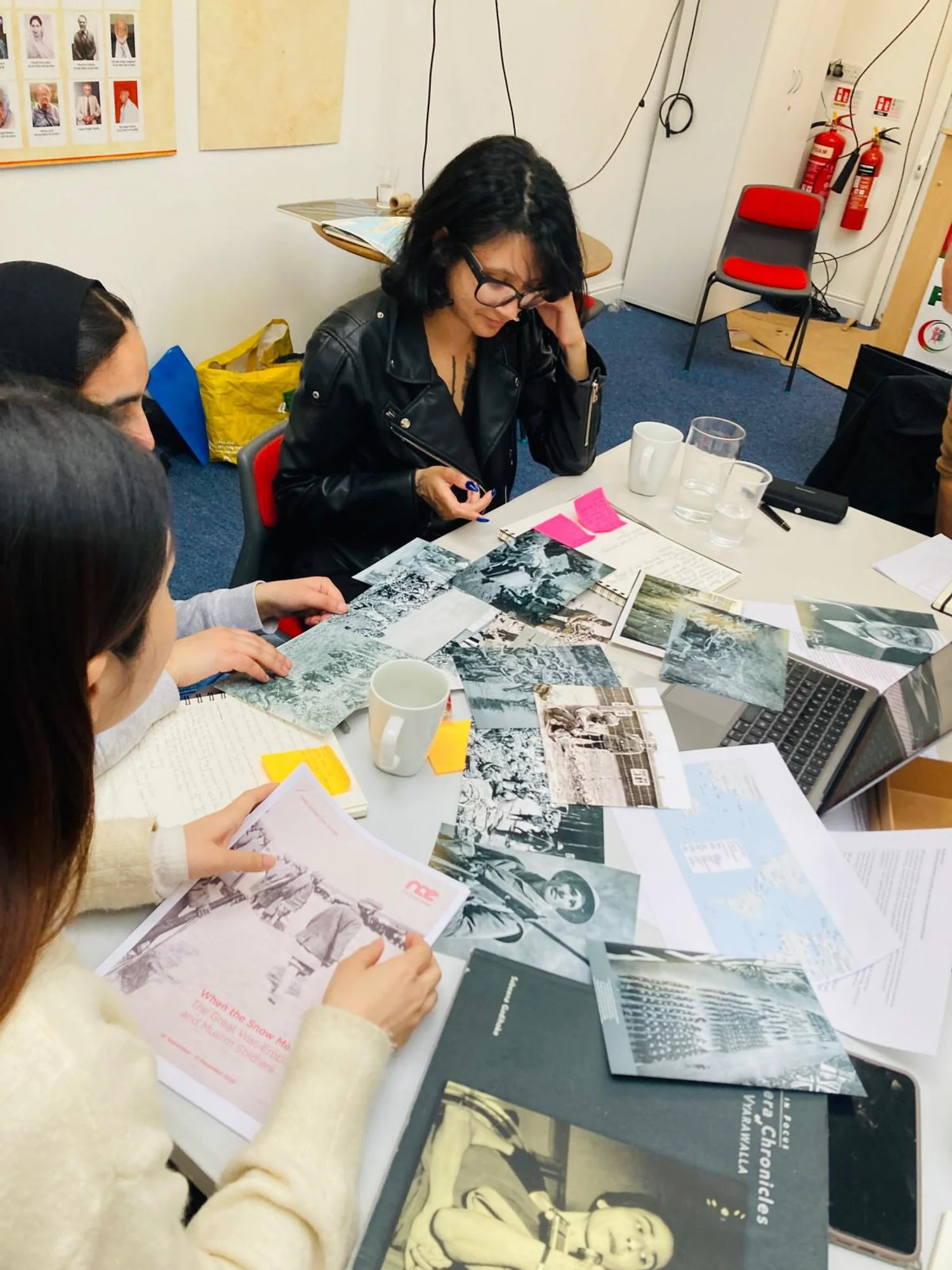
We explored local archives
Participants visited several regional archives, including:
Nottingham Archives
The People’s Heritage Centre, Birmingham
Birmingham Archives
The visit to The People’s Heritage Centre was especially powerful. Young people handled historic materials, heard original recordings of past activists, and spent time with elders. It deepened emotional connections to the histories we were studying.